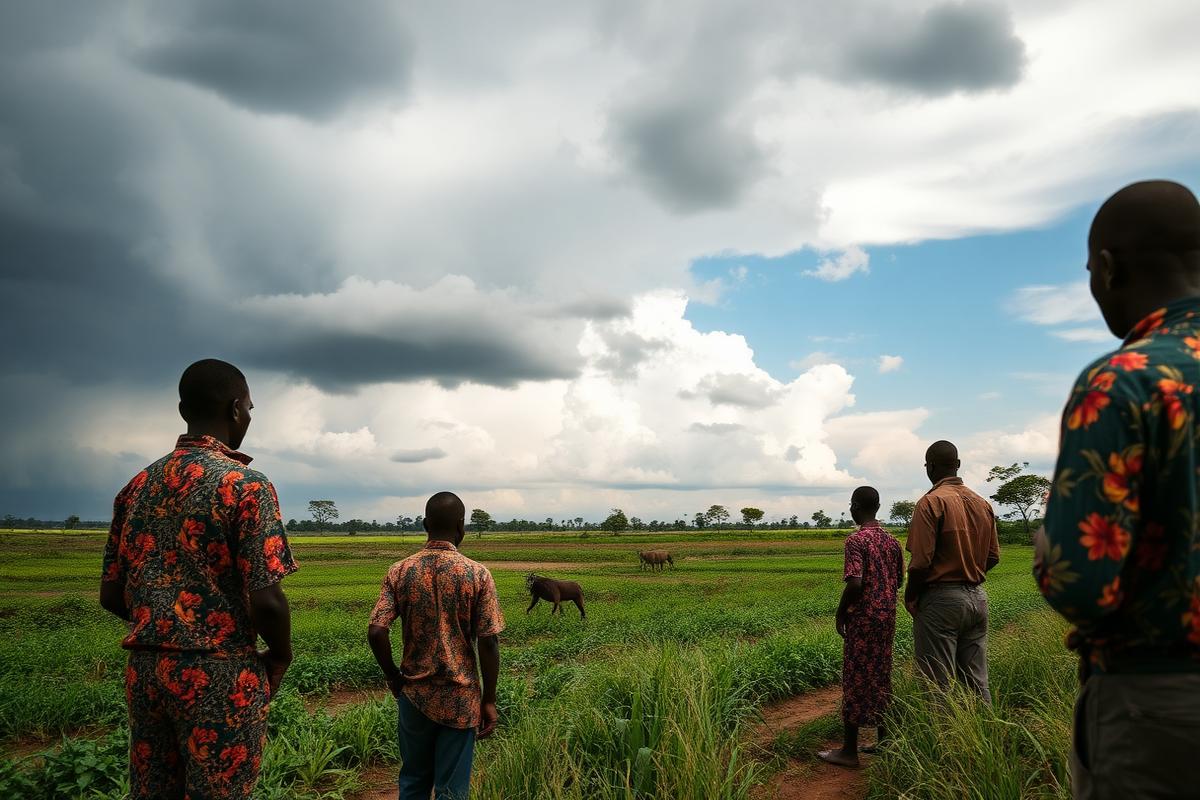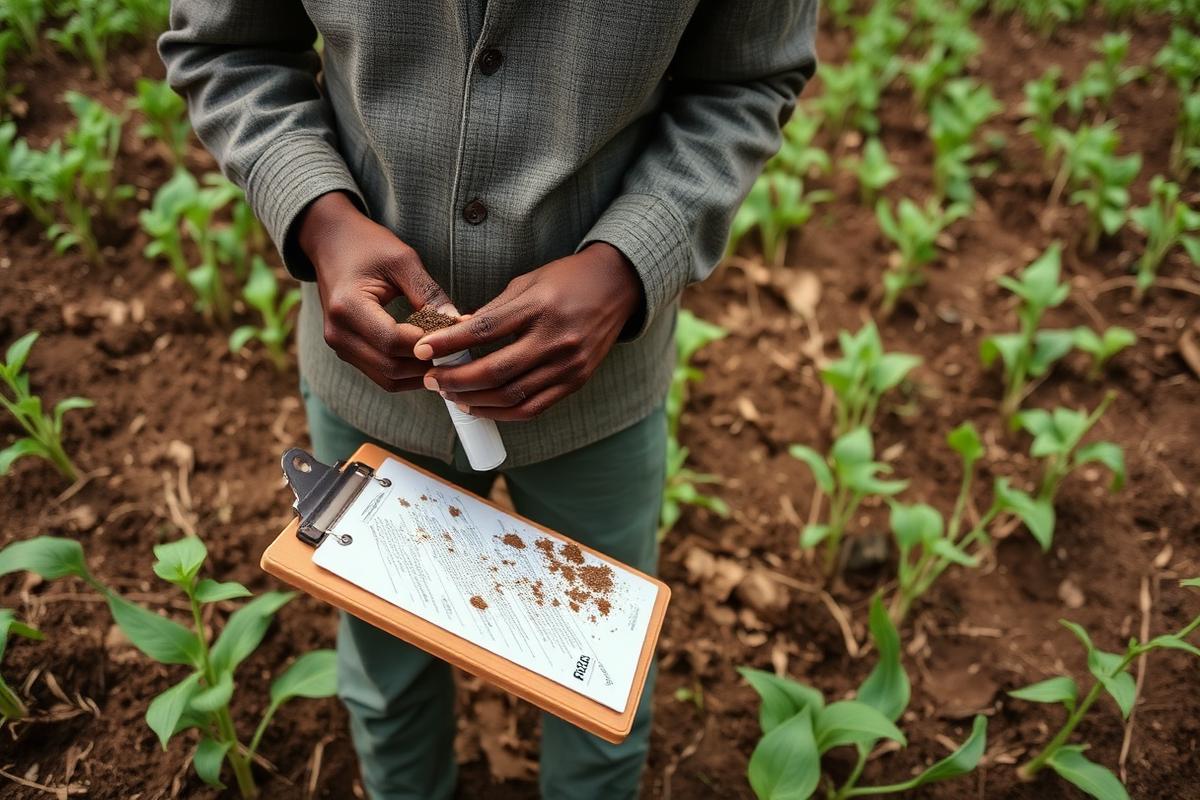
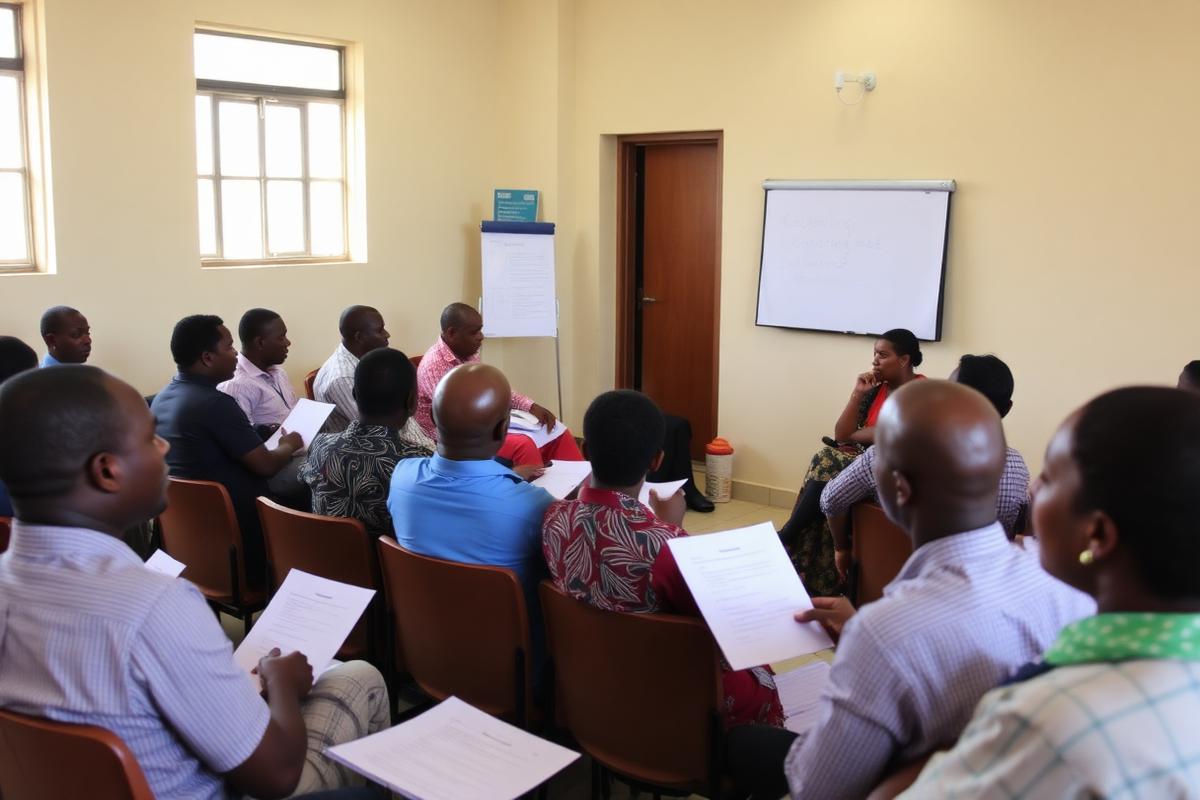
Awareness campaigns often assume that information leads to action. In practice, adoption depends on cost, confidence, timing and social norms.
Most agricultural programmes invest heavily in training and information. Yet adoption rates frequently remain lower than expected, even when farmers can accurately describe a recommended practice.
Behaviour-change thinking asks a different question: what makes the recommended action easy, attractive, timely and socially supported? That shifts the design of interventions from message delivery to removing friction.
Practical steps include simplifying the recommended action, aligning advice with the agricultural calendar, using trusted local messengers, and creating visible examples within the community.